- Older houses carry things newer ones usually do not: buried oil tanks, building materials that may need testing, and utility lines nobody has thought about in decades.
- None of it has to stop a teardown, but all of it belongs before the start date rather than after the machine is on site.
- Testing for regulated materials is done by licensed specialists, not by the demolition crew. We will tell you when it applies to your property.
Why Older Homes Are Different
A house built in the last twenty years is usually predictable. Its materials are documented, its utilities are where the plans say, and nothing has been buried in the yard. A house built in the 1950s, or added onto in the 1970s, then renovated again in the 1990s, is a different animal.
Every generation of owners left something behind. Materials that were standard when they went in may now need testing before they can be disturbed. Heating systems got replaced, but the old tank sometimes stayed in the ground. Paint went over paint over paint.
None of that is a reason to panic. It is a reason to ask the right questions before you set a date.
What To Look Into
These are the questions worth answering before an older home comes down:
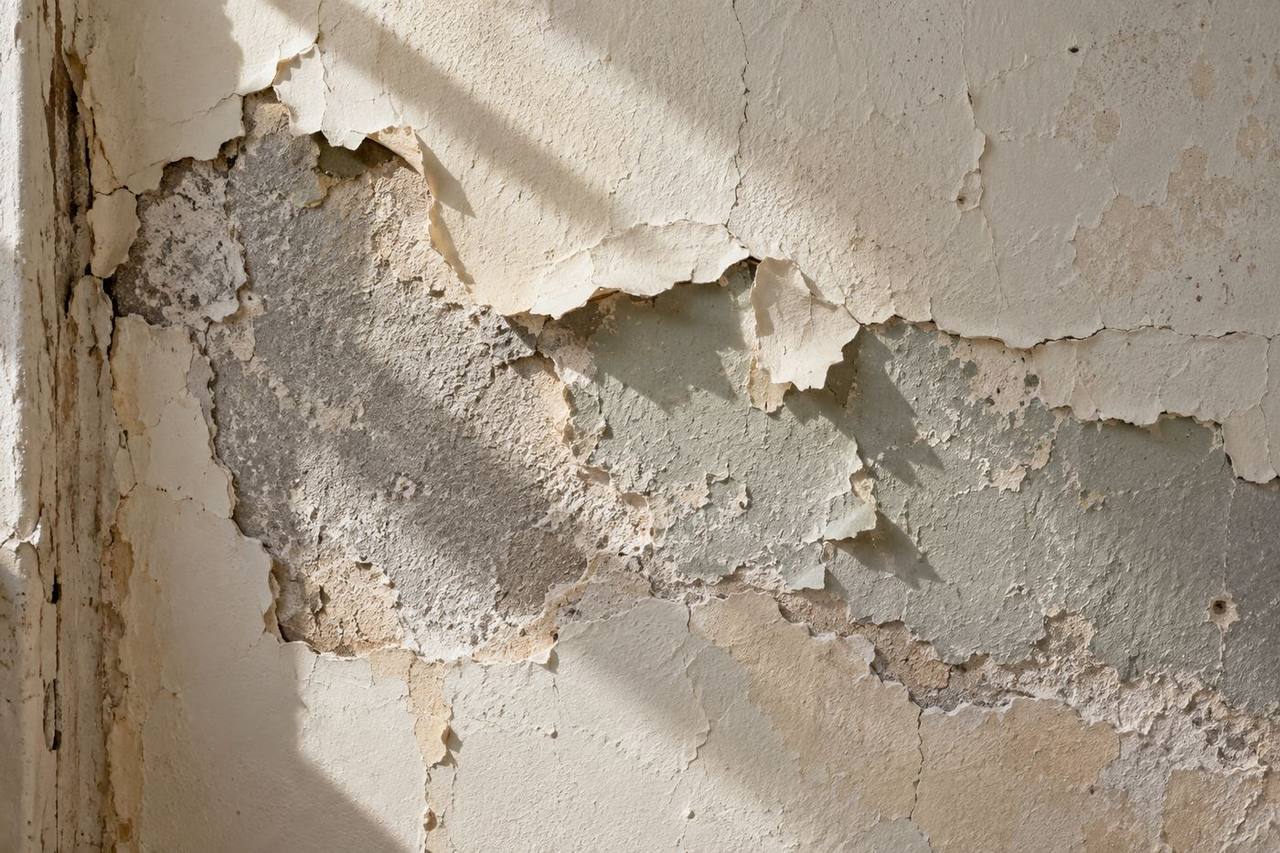
- Building materials that may need testing. Some older insulation, flooring, siding, and pipe wrap can contain materials that are regulated. Many towns want documentation as part of the demolition permit. Testing is done by a licensed inspector, and if anything needs removal, a licensed contractor handles it before demolition starts.
- A buried oil tank. Plenty of older New Jersey homes were heated with oil, and some of those tanks are still underground long after the furnace was replaced. If the house ever had oil heat, ask whether there is or was a tank. A tank scan before the teardown is far better than finding one with the excavator.
- Utilities, including the forgotten ones. Gas, electric, water, and sewer all get disconnected before anything comes down. On older properties, it is worth confirming there are no abandoned lines still live.
- Septic and wells on rural lots. If the property is not on town water and sewer, the septic system and any well have to be dealt with properly, and that is usually part of what the town wants to see.
What You Find Underneath
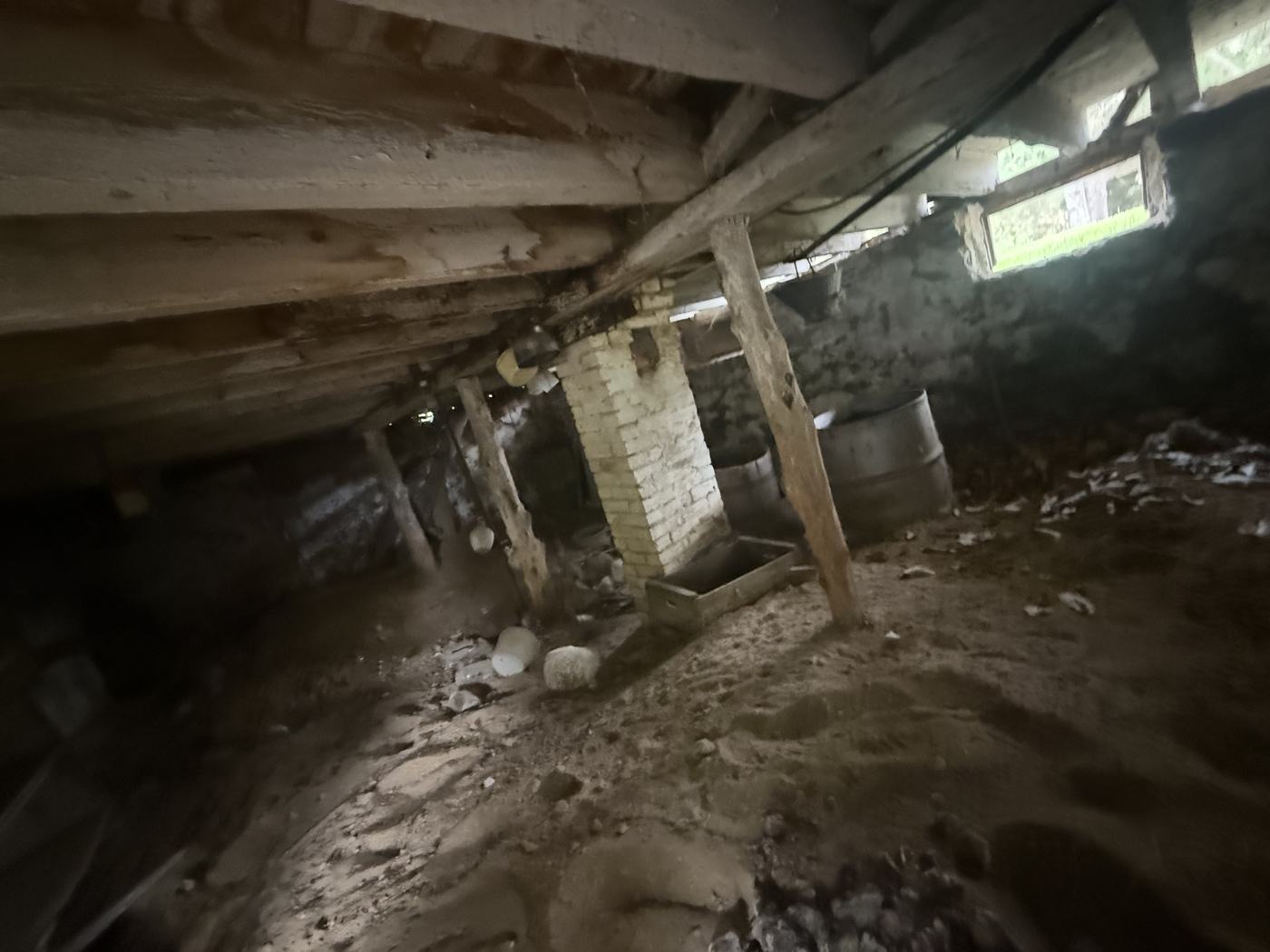
Older houses also come apart differently. Framing is heavier, sometimes hand cut, and often sits on masonry piers or stone rather than a poured foundation. Additions get tied into original structure in ways no plan shows.
That changes how the demolition runs and how the debris gets sorted, which is why we walk older properties before we quote them. The crawl space below is from an old farmhouse we took down in Salem County: hand cut timbers, a masonry pier, and a dirt floor.